
Getting your first job: Where to start
Age:
Topic:
Duration:
Format:
Media type:
Key skills:
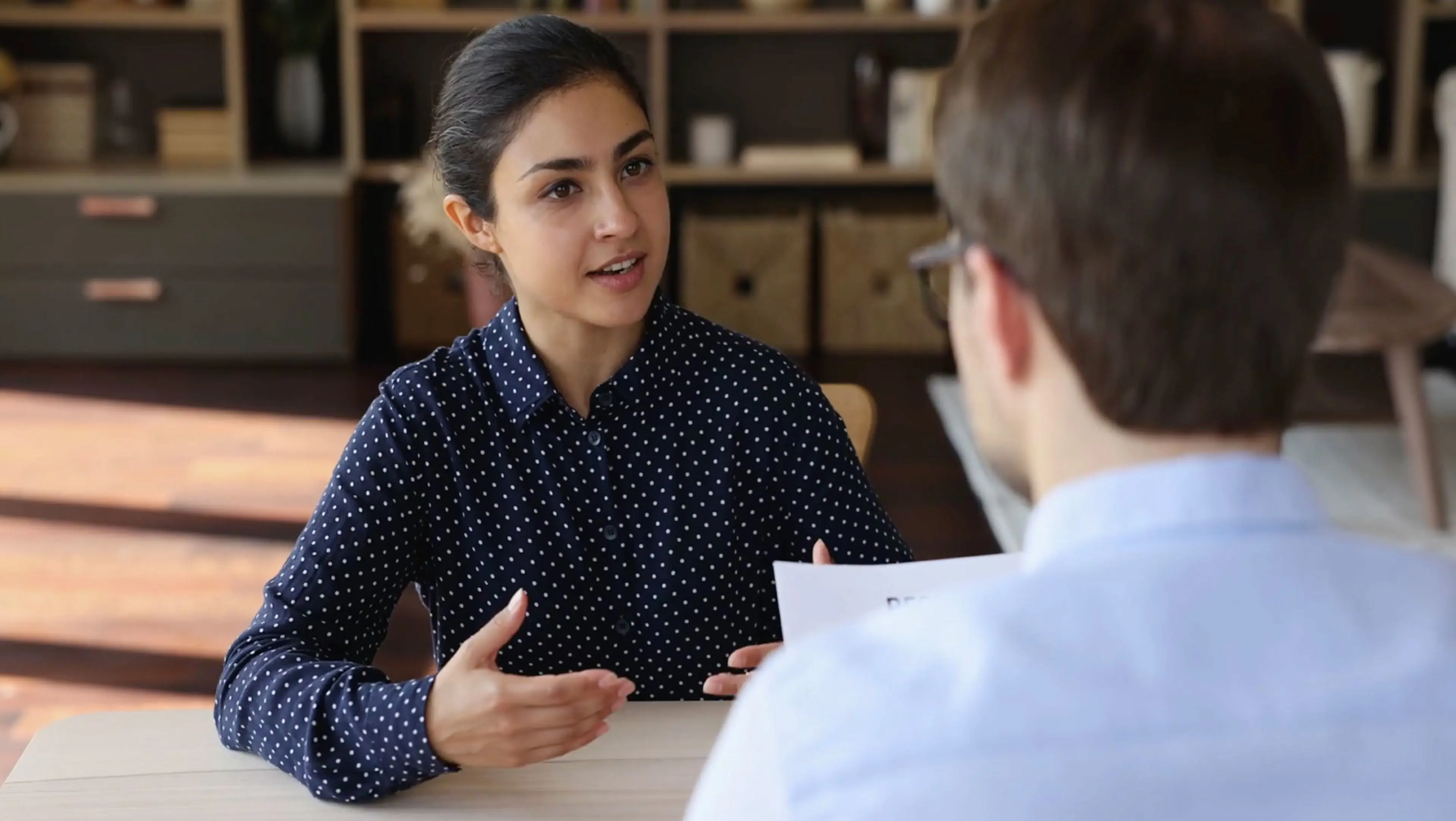
Getting your first job can feel exciting, but it's completely normal to feel nervous too. The good news is that every employee started somewhere, and most employers hiring young people aren't expecting years of experience. They're often looking for people who are reliable, positive and willing to learn.Watch our video for an introduction to finding your first job and what to expect when you start working, or keep reading for practical tips on finding job opportunities, applying with confidence and standing out to employers.
Why get a job?
For starters, money!
But that’s far from the only benefit. A job can help you build confidence and independence, learn skills like time management or communication, meet new people and make friends, and and build relationships with people who may be able to provide references when you apply for future jobs, apprenticeships or university.
Think about your options
Your first job doesn't need to be your forever job. It's a chance to earn money, build confidence and gain experience.
Common first jobs include working in cafés, restaurants, shops, salons, leisure centres and local businesses. Think about what interests you and where you could realistically travel to on a regular basis.
It can help to make a list of places you'd like to work and contact them directly to ask if they're recruiting.
Finding opportunities you might not expect
Jobs aren't only found through job websites.
Sometimes opportunities come from conversations with friends, family members, teachers, neighbours or people you meet at events.
Building connections and talking to people about your interests can open unexpected doors. Our guide to networking explains how simple conversations can sometimes lead to opportunities.
Get ready before you apply
Some employers will ask for a CV or application form. If you've never had a job before, don't worry. Look up a CV template online and start filling it out.
Think about experiences that show your skills, such as:
- School projects
- Sports teams
- Clubs and hobbies
- Volunteering
- Looking after younger siblings or relatives
- Any responsibilities you've taken on
These can demonstrate skills like teamwork, communication, organisation and problem-solving.
Don't let rejection stop you
One of the biggest mistakes people make is giving up after one or two unsuccessful applications.
Most people don't get every job they apply for. Rejection is a normal part of the process and doesn't mean you're not capable.
Every application and interview helps you improve, the most important thing is to keep going.
When you get an interview
An interview is your chance to show employers who you are beyond your application.
Prepare by researching the company, planning your journey, and thinking about examples that demonstrate your skills and strengths. Remember that interviewers want you to succeed and understand that everyone feels nervous.
Our interview skills article shares practical tips to help you feel more confident and make a positive impression.
Your first job is just the beginning
Whether your first job lasts a few months or a few years, you'll gain valuable skills, meet new people and learn more about what you enjoy. Every shift, application and interview helps build experience that can support your future.
The hardest part is often taking that first step, so start today.
Ready for a bank account?
Royal Bank of Scotland are here to help you discover the best account for your needs. Remember, there might be fees tied to some accounts, and you’ll need to meet the eligibility criteria to apply.